
Risk-Return Model Explained for Mines Players
The risk-return model helps Mines players understand how potential rewards change as risk increases. In a typical Mines game, you select a grid size, choose the number of mines, reveal tiles, and decide whether to cash out or continue.
How Risk and Return Work
Each safe tile may increase your potential payout, but every additional selection also creates a greater chance of hitting a mine. The longer you continue without cashing out, the higher the possible return—and the greater the risk of losing the stake.
- Lower risk: Choose fewer mines and cash out earlier.
- Higher risk: Choose more mines or reveal more tiles for a potentially larger multiplier.
- Balanced approach: Use moderate mine settings and predefined cash-out limits.
A Simple Risk-Return Example
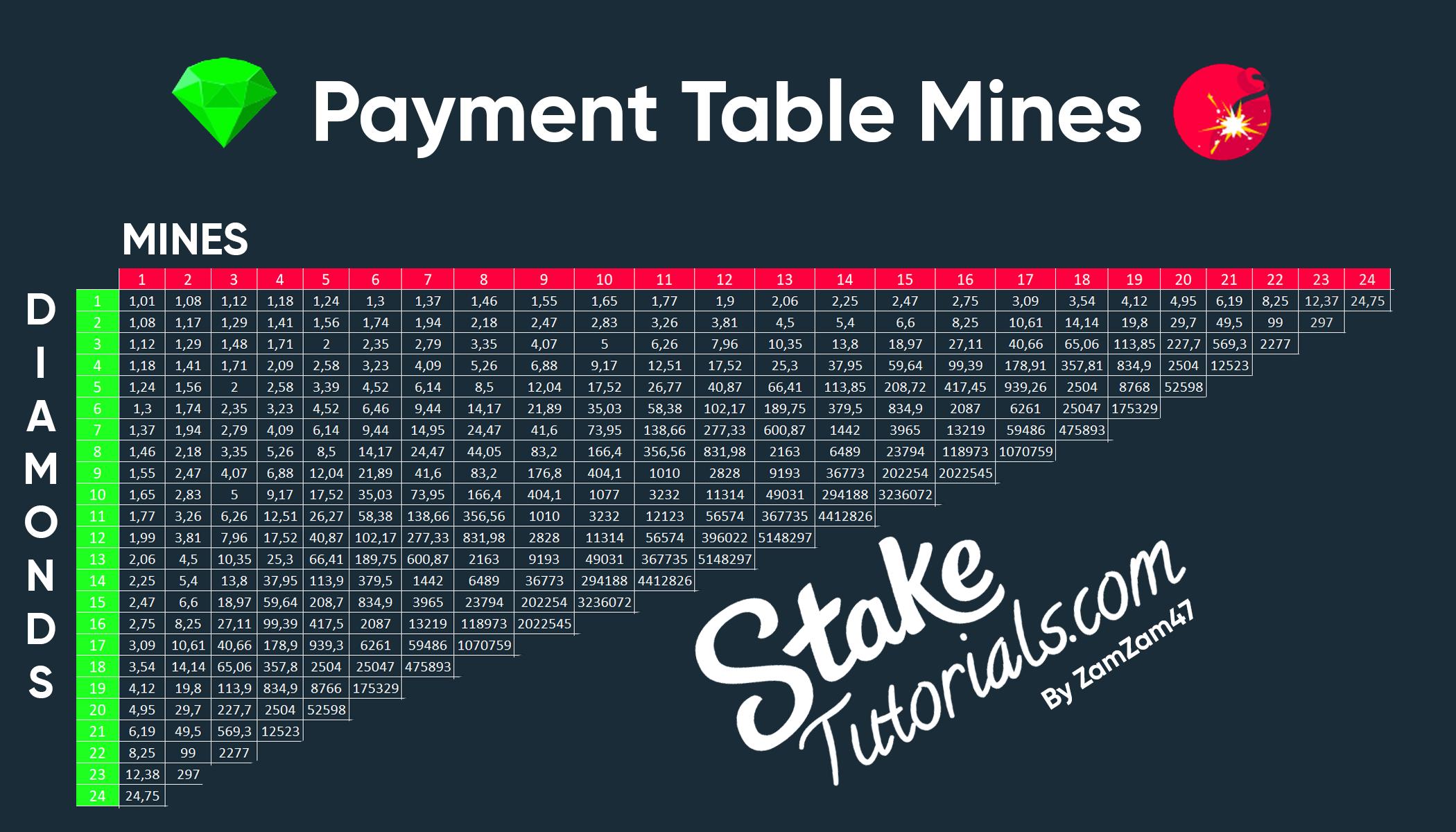
Suppose a player starts with a $10 stake. A cautious strategy might aim for a 1.20x multiplier, producing a potential return of $12 before any applicable fees or game conditions. A more aggressive strategy may target a 3.00x multiplier, which could return $30, but the probability of hitting a mine before cashing out is also higher.
These figures are illustrative only. Actual outcomes depend on the game rules, the number of mines, the grid configuration, and the random result of each round.
Expected Value and House Edge
Even when a payout multiplier looks attractive, it is important to consider probability. The expected value can be represented as:
Expected value = probability of success × payout − initial stake
In casino-style games, the mathematical design generally includes a house edge. This means that, over a large number of rounds, the average return is expected to be lower than the total amount wagered. A winning session does not change the underlying probabilities of future rounds.
Practical Bankroll Rules
- Set a fixed budget before playing.
- Use small, consistent stakes rather than increasing bets after losses.
- Choose a target multiplier and cash-out point in advance.
- Do not chase losses or treat a losing streak as evidence that a win is due.
- Stop playing when the planned budget or session limit is reached.
Why Strategy Cannot Guarantee Profit
Risk management can help control stake size and session length, but it cannot remove randomness or guarantee a profit. Systems based on doubling bets, following patterns, or relying on previous rounds do not alter the probability of the next result.
Checking Rules and Support
Before playing, review the published rules, payout information, and responsible-gaming tools. If you need assistance with an account, payment, or game-related issue, contact the operator through its official support channels and keep the relevant transaction or round details available.
When seeking help, a clear subject such as Spribe game customer service response can make the nature of the request easier to identify.
Final Takeaway
The risk-return model is a framework for understanding the trade-off between a higher possible multiplier and a greater chance of losing the stake. Mines players should focus on probability, disciplined bankroll management, and predefined limits rather than attempting to predict random outcomes.
